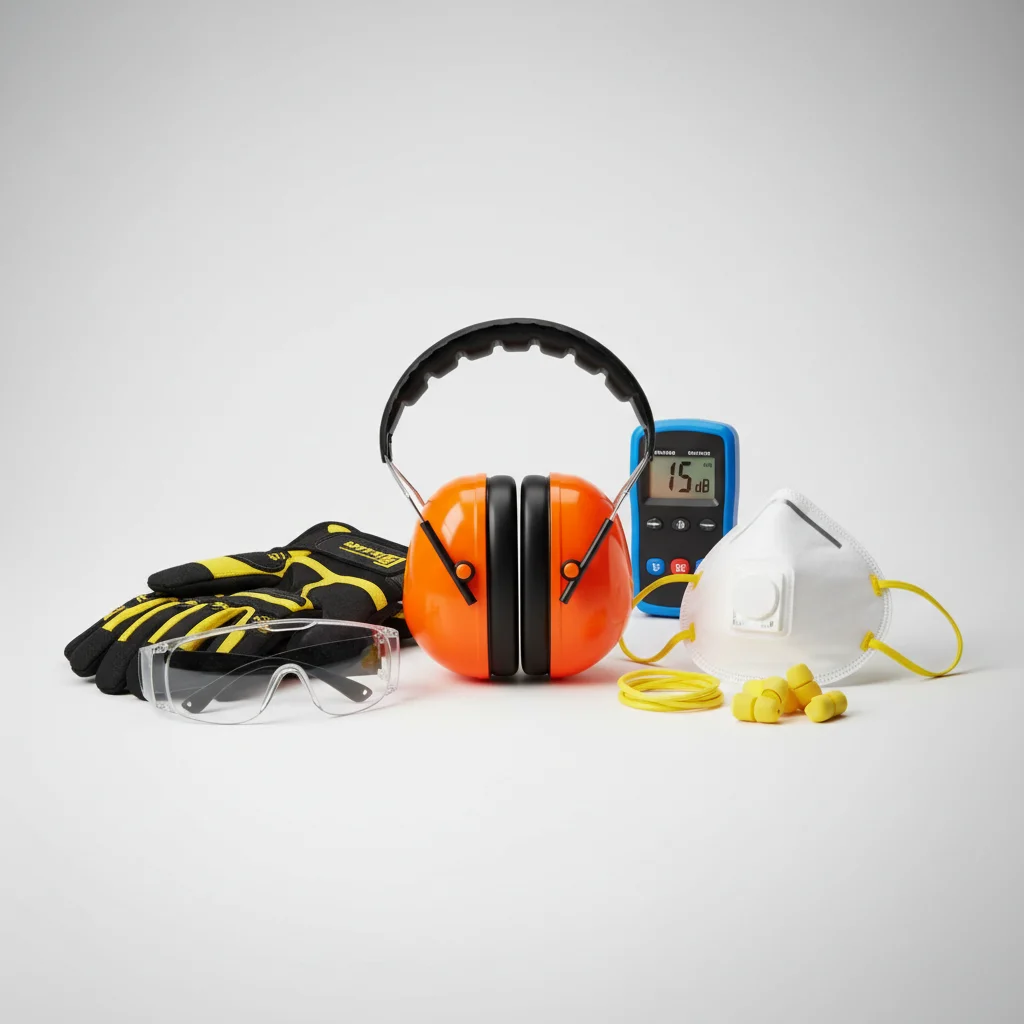
When operating a leaf blower, protecting your hearing is paramount. Prolonged exposure to the high decibel levels produced by these machines can lead to permanent hearing damage. The most essential piece of gear for safeguarding your ears is a high-quality set of hearing protection, specifically earmuffs or earplugs with a Noise Reduction Rating (NRR) of at least 25 dB. This level of protection is crucial for mitigating the sound output, which can often exceed 100 dB, well above the safe listening threshold.
Understanding Leaf Blower Noise Levels
Leaf blowers, whether gas, electric, or battery-powered, generate significant noise. Gas models are typically the loudest, often reaching 100-115 dB, while electric and battery models range from 65-95 dB. To put this in perspective, sustained exposure to sounds above 85 dB can cause hearing loss. Even seemingly quieter electric models can still pose a risk over time. It’s not just the peak volume but also the duration of exposure that contributes to potential damage. Always check the manufacturer’s specifications for the decibel rating of your specific model.
Choosing the Right Hearing Protection
Selecting the appropriate hearing protection is critical. Earmuffs offer excellent noise reduction and are often preferred for their ease of use and consistent fit. Look for earmuffs with an NRR of 25 dB or higher. Earplugs, both disposable foam and reusable silicone types, are also effective and can be more comfortable for some users, especially when wearing other headgear. Ensure they are inserted correctly to achieve their full NRR. For extended use or particularly loud blowers, consider combining earmuffs and earplugs for maximum protection.
Beyond Hearing: Other Essential Safety Gear
|
Our Picks for the Best Leaf Blower in 2026
As an Amazon Associate I earn from qualifying purchases.
|
||
| Num | Product | Action |
|---|---|---|
| 1 | Electric Leaf Blower Cordless, 21V Battery Powered Blower with 2 x 4.0Ah Battery and Charge, 715CFM &180MPH and 3 Speed Mode, Brushless Handheld Blowers for Lawn Care, Yard, Leaves, Dust, Snow |

|
| 2 | EGO POWER+ Leaf Blower, Cordless Electric 530 CFM, Battery and Charger Not Included - LB5300 |
|
| 3 | WORX 12 Amp Electric Leaf Blower, Turbine Blower for Lawn Care with 600 CFM & 2 Speed Control, Corded, WG520 |
|
| 4 | 6-Speed Modes Cordless Leaf Blower 21V,200MPH High-Velocity Electric Blower,Lightweight for Dry/Wet Leaves,Lawn Debris,Garage and Driveway Cleaning,Red |
|
| 5 | BLACK + DECKER Electric Leaf Blower, Hand Held Blowers for Lawn Care, Up to 450 CFM and 140 MPH Power, Axial, Lightweight, Corded (BEBL750) |
|
| 6 | 20V Handheld Electric Cordless Leaf Blower with 2.0Ah Battery & Fast Charger, Powerful up to 93 MPH, 350 CFM Stepless Speed Control, Powerful for Yard Cleaning |
|
| 7 | BLACK+DECKER Electric Leaf Blower, Handheld Blowers for Lawn Care, Lightweight, 180 MPH 180 CFM, 7-Amp, Corded (LB700) |
|
| 8 | MZK Cordless Leaf Blower,20V Battery Powered Electric Blower for Lawn Care, Electric Lightweight Leaf Blower for Blowing Leaves, Patio Cleaning and Dust(2 * 2Ah Battery & Charger Included),LF40D13 |
|
| 9 | DEWALT 20V MAX Blower, 100 CFM Airflow, Variable Speed Switch, Includes Trigger Lock, Bare Tool Only (DCE100B) |
|
| 10 | WORX Cordless Leaf Blower, Electric Blower with Turbine Fan, Blowers for Lawn Care with 2 Speed Control, Battery & Charger Included, WG547 |
|
While hearing protection is vital, other safety gear should not be overlooked. Eye protection, such as safety glasses or goggles, is essential to shield your eyes from flying debris like twigs, small stones, and dust. Long pants and closed-toe shoes are recommended to protect your legs and feet from impacts and scrapes. Gloves can improve grip and reduce vibrations, preventing hand fatigue and blisters. A dust mask can also be beneficial, especially when working in dry, dusty conditions, to prevent inhaling particulate matter. Always wear appropriate clothing that won’t get caught in the machinery.
Best Practices for Safe Leaf Blower Operation
Beyond wearing the right gear, adopting safe operating practices further minimizes risks. Always read your leaf blower’s owner’s manual before use. Maintain a safe distance from others, especially children and pets, as flying debris can travel at high speeds. Avoid operating the blower in wet conditions, which can increase the risk of slips and electrical hazards with corded models. Take regular breaks to give your ears a rest and prevent fatigue. Proper maintenance of your leaf blower, including checking for loose parts and ensuring all guards are in place, also contributes to safer operation.
Summary of Essential Safety Gear
- Hearing Protection: Earmuffs or earplugs with NRR 25+ dB.
- Eye Protection: Safety glasses or goggles.
- Hand Protection: Work gloves for grip and vibration reduction.
- Foot Protection: Sturdy, closed-toe shoes.
- Body Protection: Long pants and appropriate clothing.
Get our weekly buyer guide
Practical specs, not advice. Unsubscribe anytime.

I appreciate the reminder about protecting your hearing. I’ve been using my electric leaf blower for years without much thought, but the point about even quieter models still being above 85 dB really hit home. I picked up some new earplugs and they’re way more comfortable than my old ones. Definitely a good investment for my long-term hearing health.
I used to just throw on whatever earplugs I had lying around, but after reading about the NRR ratings, I invested in a proper pair of earmuffs with a 28 dB rating. What a difference! My ears feel so much better after an hour of blowing leaves. It’s crazy how loud my gas blower actually is, and I never realized how much damage I was doing.
I got some earplugs with a 25 dB NRR, and while they do help, I still find my gas blower to be pretty loud. Maybe I need to try earmuffs instead. The article mentioned gas models can hit 115 dB, so I guess I shouldn’t be surprised. They’re okay for short bursts, but for a whole yard, I might need something stronger.
This was a really helpful read. I always knew leaf blowers were loud, but I didn’t realize the specific decibel levels or the importance of a high NRR. I’ve been using cheap foam earplugs, but now I’m upgrading to a better set of ear protection. My battery-powered blower is quieter, but it’s still good to be safe.