To quickly unclog a leaf blower vacuum tube at home, first disconnect the power source (unplug electric, remove battery, or disconnect spark plug for gas models). Then, detach the vacuum tube and collection bag, manually remove any visible debris, and use a long, sturdy object like a broom handle to push out stubborn blockages. Finally, inspect and clean the impeller housing for any remaining debris to restore full suction and prevent future clogs.
Understanding Your Leaf Blower Vacuum and Why Clogs Occur
A leaf blower vacuum serves a dual purpose: it can blow debris away or, with a simple conversion, vacuum leaves and mulch them into a collection bag. This versatility makes it a popular choice for many homeowners. The vacuum function relies on a powerful fan (impeller) that creates suction, drawing leaves and debris through an intake nozzle and vacuum tube into the mulching mechanism before depositing them into the bag.
Clogs typically occur when the flow of debris through this system is interrupted. The most common culprits include: For expert leaf blower reviews on this site.
- Wet or Damp Leaves: These stick together and to the inside of the tube, forming stubborn blockages.
- Large Debris: Sticks, twigs, small rocks, or pinecones that are too big for the tube or mulching blades can quickly cause a jam.
- Excessive Buildup: Over time, a sticky residue from mulched organic matter can accumulate, narrowing the tube and making it more prone to blockages.
- Improper Use: Attempting to vacuum heavy or inappropriate materials like construction dust, gravel, or thick mud will almost certainly lead to a clog.
Whether you operate a lightweight electric model, a powerful gas-powered unit, or a convenient battery-operated blower, the vacuum tube mechanism and the potential for clogs remain largely consistent across types. Understanding these common causes is the first step toward effective troubleshooting and prevention.
Essential Safety Precautions Before Unclogging
Before attempting any maintenance or unclogging procedure on your leaf blower vacuum, safety must be your absolute priority. Ignoring these precautions can lead to serious injury or damage to your equipment.
- Disconnect Power:
- Electric Models (Corded): Unplug the power cord from the electrical outlet. Never rely solely on the “off” switch.
- Battery-Powered Models: Remove the battery pack completely from the tool.
- Gas-Powered Models: Turn off the engine and allow it to cool down completely. Disconnect the spark plug wire to prevent accidental starting.
- Wear Protective Gear: Always don heavy-duty work gloves to protect your hands from sharp debris or mulching blades. Safety glasses or goggles are also highly recommended to shield your eyes from dislodged particles.
- Consult Your Manual: Your leaf blower’s owner’s manual contains specific instructions for safe operation and maintenance tailored to your model. Keep it handy and refer to it, especially for details on how to safely detach components.
> “Always remember to disconnect the power source – whether it’s unplugging a cord, removing a battery, or disconnecting a spark plug – before you touch any part of your leaf blower. This is the single most critical safety step.” – Admin, reviewtutam.com
Step-by-Step Guide to Unclogging Your Leaf Blower Vacuum Tube
When your leaf blower vacuum tube becomes clogged, follow these methodical steps for a quick and safe resolution.
Disconnect Power and Assess the Clog
Before anything else, ensure the leaf blower is completely powered down and safe to handle. Once secure, visually inspect the intake nozzle and the visible parts of the vacuum tube. Can you see the blockage immediately? Sometimes, the problem is obvious and just at the opening.
Remove the Vacuum Tube and Collection Bag
Most leaf blower vacuums are designed with detachable tubes for easy maintenance.
- Locate the latches or fasteners that secure the vacuum tube to the main blower unit.
- Release them carefully and gently twist or pull the tube free.
- Remove the collection bag, if it’s still attached, as it might also be a source of obstruction or just get in the way.
Clear Visible Debris
With the tube detached, you can often reach the blockage directly.
- Wearing your gloves, use your hands to pull out any leaves, grass, or small twigs that are easily accessible from either end of the tube.
- For less accessible debris, try to shake the tube gently to dislodge the material.
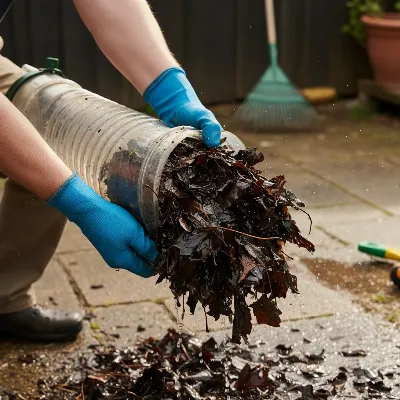 A person wearing heavy-duty gloves manually removing a large clump of wet leaves from a detached leaf blower vacuum tube.
Tackle Stubborn Blockages
If the clog is deep inside and can’t be reached by hand, you’ll need a tool.
- Find a long, sturdy object that is narrower than the vacuum tube. A broom handle, a length of PVC pipe, or a rigid wire hanger straightened out can work effectively.
- Gently insert the object into the tube from one end and push the blockage out. Be careful not to force it too aggressively, as this could damage the tube.
- Work from both ends if necessary, pushing the debris towards the center until it loosens and can be removed.
Inspect the Impeller Housing
After clearing the tube, it’s crucial to check the impeller (fan blades) area. Even if the tube is clear, debris might be wrapped around the impeller, preventing proper suction or mulching.
- Locate the impeller housing, usually where the vacuum tube connects to the main unit. This might require unscrewing a cover.
- Carefully inspect the blades for any tangled leaves, strings, or other debris.
- Wearing gloves, remove any obstructions. Be extremely cautious as the blades can be sharp.
Rinse and Dry (If Applicable)
For some vacuum tubes, especially those made of durable plastic and completely detached from any electrical components, a thorough wash can help remove sticky residue.
- If your manual permits, rinse the inside of the tube with water, perhaps with a little dish soap.
- Use a long bottle brush to scrub away any remaining grime.
- Ensure the tube is completely dry before reattaching it to the blower. Moisture can lead to future clogs or even damage to electric components.
Common Causes of Leaf Blower Vacuum Tube Clogs
Understanding why clogs happen can help you prevent them. While some are unavoidable, many can be mitigated with better operating habits.
- Wet or Damp Leaves: This is by far the leading cause of clogs. Wet leaves are heavy, sticky, and clump together, forming dense blockages that are difficult for the vacuum to pull through and mulch.
- Oversized Debris: Attempting to vacuum large sticks, small rocks, or overly thick branches can instantly jam the impeller or create a bottleneck in the tube. The mulching blades are designed for leaves and small twigs, not heavy, hard objects.
- Excessive Dirt and Mud: If you’re using your leaf blower vacuum on muddy areas or to pick up garden soil, the fine particles can mix with moisture to create a thick paste that coats the inside of the tube and builds up quickly.
- Overloading the Machine: Trying to vacuum a huge pile of leaves all at once can overwhelm the system, causing a backlog of material in the tube that quickly leads to a jam.
- Foreign Objects: Occasionally, small toys, pieces of cloth, or other non-organic items might accidentally be sucked up, causing an immediate and often severe clog.
Preventative Maintenance for a Clog-Free Experience
Proactive maintenance and mindful operation are key to avoiding frustrating clogs and extending the lifespan of your leaf blower vacuum.
Always Work with Dry Debris
This is the golden rule for leaf blower vacuums. Whenever possible, wait for leaves to dry out completely before you begin vacuuming. Dry leaves are light, easily mulched, and less likely to stick. If you must work with damp leaves, proceed slowly and check for clogs frequently.
Clear Small Piles Gradually
Instead of tackling a massive leaf pile head-on, break it down into smaller, manageable sections. This prevents overwhelming the vacuum’s intake and allows the mulching system to process material efficiently without building up a blockage.
 A person systematically vacuuming small piles of dry leaves in a backyard with a leaf blower vacuum, emphasizing careful and preventative use.
Regular Cleaning of Components
Consistent cleaning goes a long way.
- Vacuum Tube: After each significant use, detach and visually inspect the tube. Clear any residual leaves or debris.
- Impeller Housing: Periodically remove the cover and clean around the impeller blades. Leaves and fibrous material can wrap around the blades, reducing efficiency and leading to clogs.
- Intake Screen: Many models have an intake screen to prevent larger objects from reaching the impeller. Keep this screen clear of dirt, dust, and debris.
- Air Filter: For gas models, a clean air filter ensures optimal engine performance, which indirectly contributes to consistent suction. Clean or replace it as recommended in your manual.
Inspect Before Each Use
Before you even start your leaf blower vacuum, take a moment for a quick visual inspection. Check the intake nozzle, vacuum tube, and collection bag for any obvious blockages or damage. This simple habit can save you a lot of time and effort later.
When to Seek Professional Help
While many clogs can be resolved at home, there are situations where professional intervention is the safest and most effective course of action.
- Persistent Clogs: If you’ve followed all the steps and your leaf blower vacuum continues to clog immediately or struggles to maintain suction, there might be a deeper issue beyond a simple blockage.
- Damaged Components: If you discover a cracked vacuum tube, bent impeller blades, or a damaged motor during your inspection, it’s best to consult a professional for repair or replacement. Attempting to operate a damaged machine can be dangerous.
- Motor Issues: If the motor overheats, makes unusual noises, or emits smoke after clearing a clog, turn it off immediately and seek expert diagnosis. These symptoms often indicate a problem that requires specialized tools and knowledge.
- Uncertainty: If you are unsure about any step in the unclogging or maintenance process, or if you feel uncomfortable disassembling parts of your machine, it’s always better to contact a qualified service technician. Safety should never be compromised.
Conclusion
A clogged leaf blower vacuum tube can be a frustrating obstacle to a pristine yard, but with the right approach, it’s a problem you can quickly solve at home. By prioritizing safety, systematically clearing blockages, and implementing preventative maintenance habits, you can ensure your leaf blower operates at peak efficiency. Remember to always power down your machine, wear protective gear, and keep an eye out for those tricky wet leaves and oversized debris. Regular cleaning of the tube and impeller housing will save you headaches in the long run, transforming yard work from a chore into a breeze.
What are your go-to tips for keeping your leaf blower vacuum running smoothly throughout the year?
Frequently Asked Questions
Why does my leaf blower vacuum keep clogging even after I clear it?
Persistent clogs often indicate you might be attempting to vacuum wet or overly large debris, or there could be a deeper buildup in the impeller housing that wasn’t fully cleared. Ensure you are working with dry material and regularly inspect the impeller area.
Can I use water to clean my leaf blower vacuum tube?
You can use water to rinse a detached vacuum tube made of durable plastic, but ensure it is completely dry before reattaching it to the main unit. Never use water on electrical components or the engine of a gas-powered blower.
What kind of protective gear should I wear when unclogging a leaf blower?
Always wear heavy-duty work gloves to protect your hands from sharp debris and mulching blades. Safety glasses or goggles are also highly recommended to shield your eyes from any flying particles.
How often should I check my leaf blower vacuum tube for clogs?
It’s a good practice to quickly inspect the vacuum tube and intake nozzle after each significant use, especially if you’ve been vacuuming a large volume of leaves or working with slightly damp material. This helps catch small blockages before they become major problems.
Frequently Asked Questions
Why does my leaf blower vacuum keep clogging even after I clear it?
Persistent clogs often indicate you might be attempting to vacuum wet or overly large debris, or there could be a deeper buildup in the impeller housing that wasn't fully cleared. Ensure you are working with dry material and regularly inspect the impeller area for any remaining obstructions.
Can I use water to clean my leaf blower vacuum tube?
You can use water to rinse a detached vacuum tube made of durable plastic, but ensure it is completely dry before reattaching it to the main unit. Never use water on electrical components or the engine of a gas-powered blower, as this can cause damage or electrical hazards.
What kind of protective gear should I wear when unclogging a leaf blower?
Always wear heavy-duty work gloves to protect your hands from sharp debris and mulching blades. Safety glasses or goggles are also highly recommended to shield your eyes from any flying particles that may be dislodged during the unclogging process.
How often should I check my leaf blower vacuum tube for clogs?
It's a good practice to quickly inspect the vacuum tube and intake nozzle after each significant use, especially if you've been vacuuming a large volume of leaves or working with slightly damp material. This helps catch small blockages before they become major problems and affect performance.
What are the most common causes of leaf blower vacuum clogs?
The most common causes of leaf blower vacuum clogs include wet or damp leaves, oversized debris like sticks and rocks, excessive dirt and mud buildup, overloading the machine with too many leaves at once, and accidentally sucking up foreign objects.
How to Unclog Your Leaf Blower Vacuum Tube
This guide provides step-by-step instructions to safely and effectively clear blockages from your leaf blower vacuum tube and impeller housing.
Before starting, ensure the leaf blower is completely powered down by unplugging electric models, removing batteries from battery-powered units, or disconnecting the spark plug wire for gas models. Visually inspect the intake nozzle and vacuum tube for any obvious blockages.
Locate and release the latches or fasteners securing the vacuum tube to the main blower unit, then gently twist or pull the tube free. Also, remove the collection bag, as it might contain obstructions or hinder access to the tube.
Wearing gloves, use your hands to pull out any easily accessible leaves or twigs from either end of the detached tube. For deeper, stubborn blockages, use a long, sturdy object like a broom handle to gently push the debris out, working from both ends if necessary.
After clearing the tube, check the impeller (fan blades) area, usually where the vacuum tube connects. This may require unscrewing a cover. Carefully remove any tangled leaves, strings, or other debris from around the blades, exercising caution as they can be sharp.
If your manual permits and the tube is durable plastic, rinse the inside with water and a little dish soap to remove sticky residue. Ensure the tube is completely dry before reattaching it to the blower to prevent future clogs and potential damage to electrical components.
Get our weekly buyer guide
Practical specs, not advice. Unsubscribe anytime.

The steps for clearing the vacuum tube were straightforward, and I did manage to get most of the blockage out. However, I found that my hands were still pretty dirty after manually removing the visible debris, even with gloves. It would have been nice to have a suggestion for a tool to help with that part, maybe some long tongs or something. It got the job done, though.
Good steps for getting my vacuum tube clear. I appreciate the reminder to always disconnect the power source first – that’s something I sometimes forget in my haste. My only minor complaint is that my particular model’s collection bag is a bit fiddly to reattach, but that’s not really a fault of the cleaning process itself. Still, very helpful.
I’ve had my leaf blower for years and never really thought about how to properly clean the vacuum tube until it completely jammed up last fall. The tip about using a broom handle to push out stubborn blockages was a lifesaver. It worked perfectly and saved me from having to take it into a repair shop. Great advice!
My old gas-powered leaf blower vacuum was really struggling, and I suspected a clog. Following the advice to inspect and clean the impeller housing made a huge difference. There was a surprising amount of gunk in there I hadn’t noticed before. Now it’s sucking up leaves like it’s brand new again!