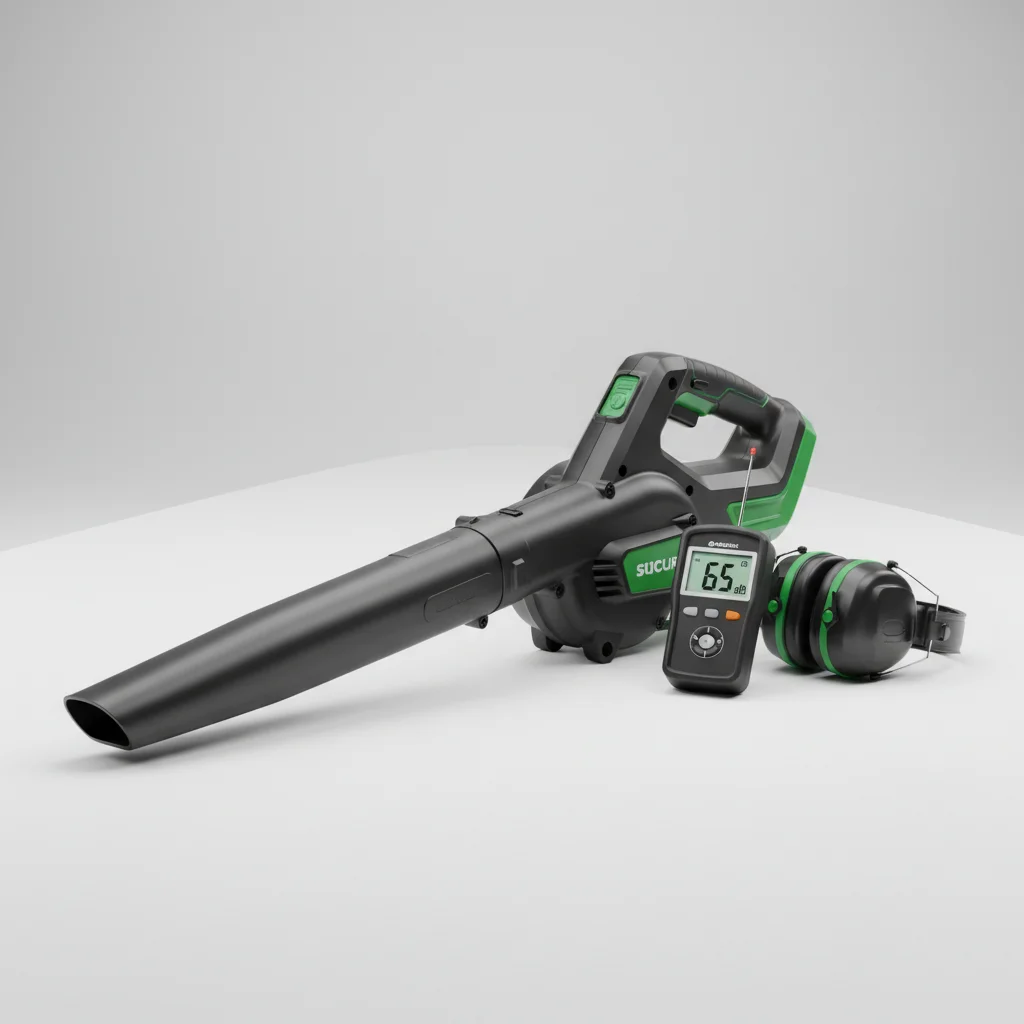
Understanding leaf blower decibels is crucial for protecting your hearing and complying with local noise ordinances. A safe noise level for prolonged exposure, generally considered to be without hearing protection, is below 85 decibels (dB). However, most leaf blowers operate well above this threshold, with many gas models reaching 100-115 dB and even electric models often exceeding 90 dB. This means that for nearly all leaf blower use, appropriate hearing protection is not just recommended, but essential.
Why Leaf Blower Noise Matters
The intensity of sound is measured in decibels, and the higher the decibel level, the louder and potentially more damaging the sound. Prolonged exposure to sounds above 85 dB can lead to permanent hearing loss. Leaf blowers, especially powerful gas models, produce noise levels comparable to chainsaws or motorcycles, making them significant contributors to noise pollution and hearing damage if not managed properly. Beyond personal health, excessive noise can also be a nuisance to neighbors and may violate local noise regulations, which often have specific limits for outdoor power equipment. For explore our leaf blower reviews on this site.
Typical Decibel Ranges for Different Leaf Blower Types
The noise output of a leaf blower varies significantly depending on its power source and design. Corded electric leaf blowers typically range from 65-80 dB, making them the quietest option. Cordless battery-powered models are slightly louder, generally falling between 70-95 dB. Gas-powered leaf blowers are the loudest, with handheld models often producing 95-105 dB and backpack models frequently exceeding 100 dB, sometimes reaching up to 115 dB. These figures highlight the importance of checking a specific model’s specifications before purchase and always using hearing protection.
Essential Hearing Protection for Leaf Blower Use
|
Our Picks for the Best Leaf Blower in 2026
As an Amazon Associate I earn from qualifying purchases.
|
||
| Num | Product | Action |
|---|---|---|
| 1 | EGO POWER+ Leaf Blower, Cordless Electric 530 CFM, Battery and Charger Not Included - LB5300 |

|
| 2 | MZK Cordless Leaf Blower,20V Battery Powered Electric Blower for Lawn Care, Electric Lightweight Leaf Blower for Blowing Leaves, Patio Cleaning and Dust(2 * 2Ah Battery & Charger Included),LF40D13 |
|
| 3 | Electric Leaf Blower Cordless, 21V Battery Powered Blower with 2 x 4.0Ah Battery and Charge, 715CFM &180MPH and 3 Speed Mode, Brushless Handheld Blowers for Lawn Care, Yard, Leaves, Dust, Snow |
|
| 4 | 20V Handheld Electric Cordless Leaf Blower with 2.0Ah Battery & Fast Charger, Powerful up to 93 MPH, 350 CFM Stepless Speed Control, Powerful for Yard Cleaning |
|
| 5 | DEWALT 20V MAX Blower, 100 CFM Airflow, Variable Speed Switch, Includes Trigger Lock, Bare Tool Only (DCE100B) |
|
| 6 | WORX Cordless Leaf Blower, Electric Blower with Turbine Fan, Blowers for Lawn Care with 2 Speed Control, Battery & Charger Included, WG547 |
|
| 7 | 6-Speed Modes Cordless Leaf Blower 21V,200MPH High-Velocity Electric Blower,Lightweight for Dry/Wet Leaves,Lawn Debris,Garage and Driveway Cleaning,Red |
|
| 8 | BLACK + DECKER Electric Leaf Blower, Hand Held Blowers for Lawn Care, Up to 450 CFM and 140 MPH Power, Axial, Lightweight, Corded (BEBL750) |
|
| 9 | WORX 12 Amp Electric Leaf Blower, Turbine Blower for Lawn Care with 600 CFM & 2 Speed Control, Corded, WG520 |
|
| 10 | BLACK+DECKER Electric Leaf Blower, Handheld Blowers for Lawn Care, Lightweight, 180 MPH 180 CFM, 7-Amp, Corded (LB700) |
|
Given the high decibel levels produced by most leaf blowers, effective hearing protection is non-negotiable. There are several types of hearing protection available, each with a Noise Reduction Rating (NRR) indicating how many decibels they reduce the sound by. Earplugs are a convenient option, with foam earplugs offering an NRR of 25-33 dB. Earmuffs provide a higher level of protection, typically with an NRR of 22-31 dB, and are often more comfortable for extended use. For maximum protection, especially with gas-powered blowers, consider using both earplugs and earmuffs simultaneously.
- Foam earplugs (NRR 25-33 dB)
- Reusable earplugs (NRR 20-27 dB)
- Passive earmuffs (NRR 22-31 dB)
- Electronic earmuffs (NRR 20-28 dB, with amplification for speech)
- Custom-molded earplugs (variable NRR)
Strategies for Reducing Leaf Blower Noise Impact
Beyond personal hearing protection, there are several strategies to minimize the overall noise impact of leaf blowers. Choosing a quieter electric or battery-powered model is the most effective first step. Operating the leaf blower during reasonable hours, typically mid-morning to late afternoon, can help avoid disturbing neighbors. Maintaining your leaf blower, such as ensuring the muffler on a gas model is in good condition, can also prevent unnecessary noise. Additionally, using the lowest effective power setting for the task at hand can reduce noise output.
Navigating Local Noise Ordinances
Before purchasing or using a leaf blower, it’s wise to check your local noise ordinances. Many municipalities have specific regulations regarding acceptable noise levels and operating hours for outdoor power equipment. These ordinances can vary significantly by location, with some areas having stricter rules for gas-powered blowers or even outright bans during certain times or in residential zones. Familiarizing yourself with these rules can help you avoid fines and maintain good relations with your community.
Get our weekly buyer guide
Practical specs, not advice. Unsubscribe anytime.

I’ve always just grabbed whatever leaf blower was on sale, but after reading about the decibel levels, I’m definitely rethinking my approach. My old gas blower probably hits 110 dB easily, and I never really thought about how much damage that could do. Now I’m looking into some of the quieter electric models mentioned, even if they’re a bit less powerful. Hearing protection is a must, but a quieter machine would be even better.
I appreciate the info on decibels, but I wish there were more specific recommendations for blowers that actually stay below 85 dB. It seems like almost everything is above that, even the electric ones. It’s good to know about the hearing protection, but it feels like there isn’t really a ‘safe’ option out there if you want any power. My current one is probably around 100 dB and it gets the job done fast.
This was super helpful! I live in an area with strict noise ordinances, and I’ve always been worried about getting a complaint. Knowing that many electric models still exceed 90 dB even though they’re quieter than gas ones is a good heads-up. It means I still need to be mindful of when I’m using it and definitely wear my ear protection. I’m glad I checked this out before buying a new one.
I used to just wear earplugs, but after seeing that prolonged exposure to sounds above 85 dB can cause permanent hearing loss, I’m upgrading to proper earmuffs. My gas leaf blower is a beast and I’m sure it’s in that 100-115 dB range. It’s a real eye-opener to realize how much noise these things actually make and the potential long-term effects. Thanks for the reminder to take hearing safety seriously.