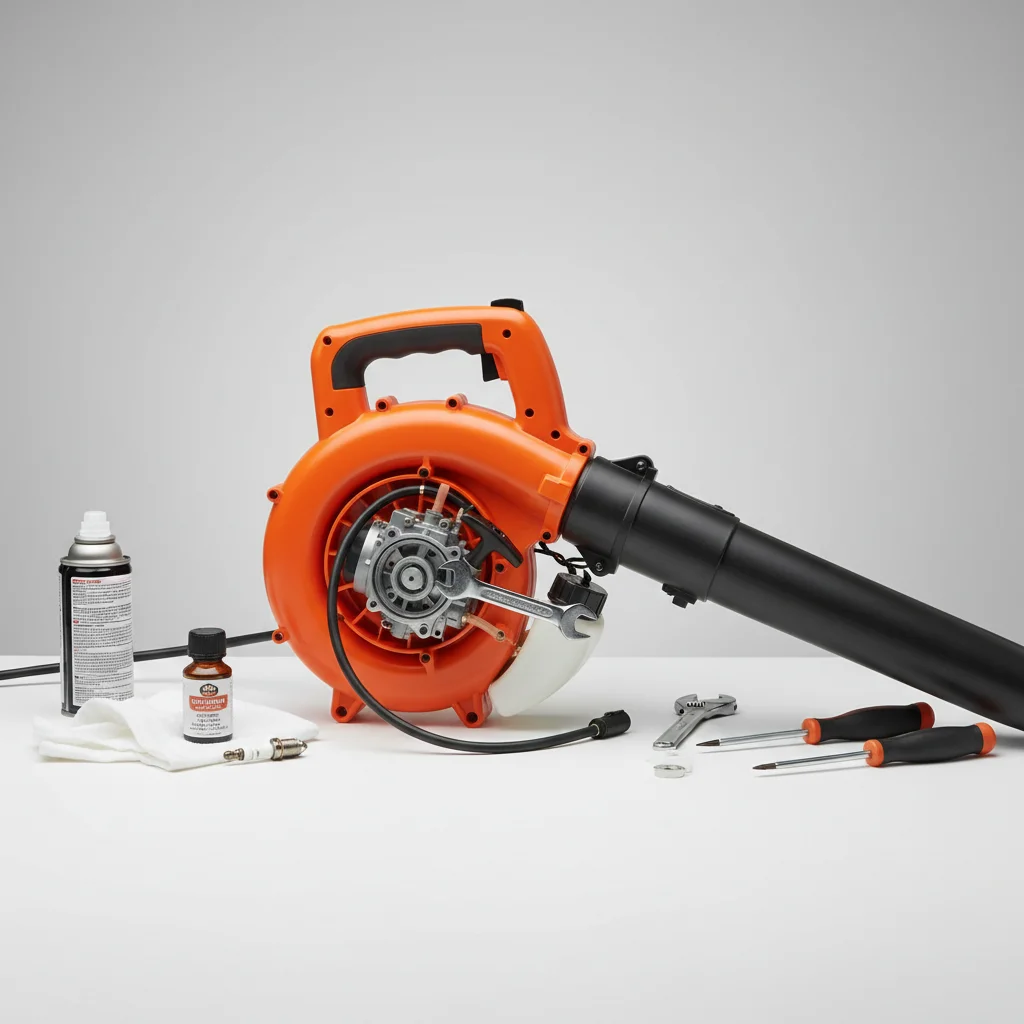
When your leaf blower refuses to start, it’s often due to one of five common issues that can typically be resolved with some basic DIY troubleshooting. These include problems with the fuel, spark plug, air filter, carburetor, or the starter assembly itself. Addressing these areas systematically can save you a trip to the repair shop and get your equipment back in action quickly.
1. Fuel System Issues: Old Fuel or Clogged Filter
One of the most frequent culprits for a leaf blower failing to start is old or contaminated fuel. Gasoline can degrade over time, especially if left in the tank for more than a month, leading to a loss of octane and the formation of gummy deposits that can clog fuel lines and filters. Always use fresh, properly mixed fuel for 2-stroke engines. If the fuel filter is clogged, it restricts the flow of fuel to the carburetor, starving the engine. Replace the fuel filter annually or if you notice any signs of blockage.
2. Spark Plug Problems: Fouled, Worn, or Incorrectly Gapped
The spark plug is vital for igniting the fuel-air mixture. A fouled spark plug, covered in carbon deposits or oil, cannot produce a strong spark. Similarly, a worn-out spark plug with eroded electrodes or one that is incorrectly gapped will also struggle to ignite the fuel. Remove the spark plug and inspect it. If it’s dirty, clean it with a wire brush. If it’s worn, replace it with a new one of the correct type and ensure it’s gapped according to your leaf blower’s specifications.
3. Clogged Air Filter: Restricting Airflow
|
Our Picks for the Best Leaf Blower in 2026
As an Amazon Associate I earn from qualifying purchases.
|
||
| Num | Product | Action |
|---|---|---|
| 1 | BLACK+DECKER Electric Leaf Blower, Handheld Blowers for Lawn Care, Lightweight, 180 MPH 180 CFM, 7-Amp, Corded (LB700) |

|
| 2 | Electric Leaf Blower Cordless, 21V Battery Powered Blower with 2 x 4.0Ah Battery and Charge, 715CFM &180MPH and 3 Speed Mode, Brushless Handheld Blowers for Lawn Care, Yard, Leaves, Dust, Snow |
|
| 3 | 20V Handheld Electric Cordless Leaf Blower with 2.0Ah Battery & Fast Charger, Powerful up to 93 MPH, 350 CFM Stepless Speed Control, Powerful for Yard Cleaning |
|
| 4 | 6-Speed Modes Cordless Leaf Blower 21V,200MPH High-Velocity Electric Blower,Lightweight for Dry/Wet Leaves,Lawn Debris,Garage and Driveway Cleaning,Red |
|
| 5 | MZK Cordless Leaf Blower,20V Battery Powered Electric Blower for Lawn Care, Electric Lightweight Leaf Blower for Blowing Leaves, Patio Cleaning and Dust(2 * 2Ah Battery & Charger Included),LF40D13 |
|
| 6 | WORX 12 Amp Electric Leaf Blower, Turbine Blower for Lawn Care with 600 CFM & 2 Speed Control, Corded, WG520 |
|
| 7 | BLACK + DECKER Electric Leaf Blower, Hand Held Blowers for Lawn Care, Up to 450 CFM and 140 MPH Power, Axial, Lightweight, Corded (BEBL750) |
|
| 8 | WORX Cordless Leaf Blower, Electric Blower with Turbine Fan, Blowers for Lawn Care with 2 Speed Control, Battery & Charger Included, WG547 |
|
| 9 | DEWALT 20V MAX Blower, 100 CFM Airflow, Variable Speed Switch, Includes Trigger Lock, Bare Tool Only (DCE100B) |
|
| 10 | EGO POWER+ Leaf Blower, Cordless Electric 530 CFM, Battery and Charger Not Included - LB5300 |
|
Just as the engine needs fuel, it also needs a clean supply of air for combustion. A dirty or clogged air filter restricts airflow, leading to a rich fuel-air mixture that can prevent the engine from starting or running properly. Regularly check your air filter, especially after using the blower in dusty conditions. Clean foam filters with soap and water, and replace paper filters when they appear dirty or damaged. A clean air filter is crucial for optimal engine performance.
4. Carburetor Malfunctions: Clogs and Adjustments
The carburetor mixes air and fuel in the correct proportions. Over time, fuel deposits can clog the tiny passages within the carburetor, preventing proper fuel delivery. This is particularly common if the leaf blower has been stored with fuel in it for extended periods. While cleaning a carburetor can be complex, sometimes a simple carburetor cleaner spray can help. For more persistent issues, a carburetor rebuild kit or professional cleaning might be necessary. Ensure the carburetor’s idle and high-speed mixture screws are set correctly according to your model’s manual.
5. Starter Assembly Problems: Rope or Recoil Spring
If the engine doesn’t even attempt to turn over when you pull the starter rope, the issue might lie with the starter assembly. This could be a broken starter rope, a faulty recoil spring, or a damaged pulley. Inspect the starter rope for fraying or breakage. If the rope pulls out easily without resistance, the recoil spring might be broken or dislodged. Replacing these components can be a straightforward DIY task for many models, often requiring only basic tools.
- Always use fresh, high-quality fuel and the correct oil mix.
- Regularly inspect and clean or replace the spark plug.
- Keep the air filter clean to ensure proper airflow.
- Consider using a fuel stabilizer if storing the blower for more than 30 days.
- Check the starter rope and recoil mechanism for wear or damage.
By systematically checking these five common areas, you can often diagnose and fix why your leaf blower won’t start. Remember to always consult your leaf blower’s owner’s manual for specific troubleshooting steps and part numbers. Regular maintenance is key to preventing these issues in the first place. For replacement parts or a new, reliable leaf blower, consider checking out the options available throughor.
Get our weekly buyer guide
Practical specs, not advice. Unsubscribe anytime.
