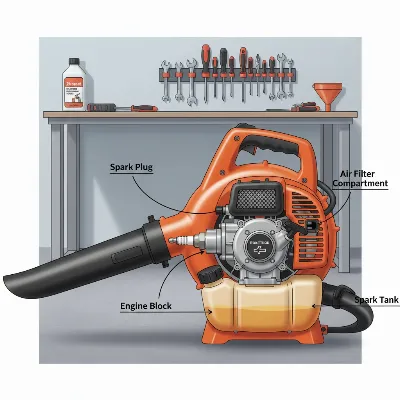
Keeping your 2-stroke leaf blower running efficiently and extending its lifespan largely depends on one critical factor: the correct fuel mix. Unlike 4-stroke engines, which have separate oil reservoirs, 2-stroke engines require a precise blend of gasoline and oil directly in their fuel tank. This mix lubricates the engine’s internal components while also providing the combustion needed for operation. Getting this ratio wrong can lead to costly repairs, from fouled spark plugs to complete engine seizure. If you’ve ever wondered how to achieve the perfect balance for your machine, you’re in the right place. This comprehensive guide will walk you through everything you need to know, ensuring your leaf blower operates at its peak performance.
Understanding Your 2-Stroke Leaf Blower’s Fuel Needs
Two-stroke engines are engineering marvels of simplicity and power, but their design dictates a unique approach to fueling. Because they lack a dedicated crankcase oil sump, the lubricating oil must be introduced directly into the fuel itself. As the fuel mixture enters the combustion chamber, the gasoline burns, leaving behind a fine mist of oil to coat and protect critical moving parts like the piston, cylinder walls, and crankshaft bearings. This combined lubrication and combustion process is what defines a 2-stroke engine.
Why is this mix so crucial? Without the proper amount of oil, metal-on-metal friction will quickly lead to excessive heat and irreparable damage. Conversely, too much oil can create its own set of problems, hindering performance and causing frustrating issues. Understanding this fundamental requirement is the first step toward becoming a proficient DIY fuel mixer.
Essential Components for Your 2-Stroke Fuel Mix
The quality of your fuel mix starts with the quality of its individual components: the gasoline and the 2-stroke oil. Choosing the right types is just as important as getting the ratio correct.
Choosing the Right Gasoline
|
Our Picks for the Best Leaf Blower in 2026
As an Amazon Associate I earn from qualifying purchases.
|
||
| Num | Product | Action |
|---|---|---|
| 1 | WORX Cordless Leaf Blower, Electric Blower with Turbine Fan, Blowers for Lawn Care with 2 Speed Control, Battery & Charger Included, WG547 |

|
| 2 | EGO POWER+ Leaf Blower, Cordless Electric 530 CFM, Battery and Charger Not Included - LB5300 |
|
| 3 | DEWALT 20V MAX Blower, 100 CFM Airflow, Variable Speed Switch, Includes Trigger Lock, Bare Tool Only (DCE100B) |
|
| 4 | BLACK+DECKER Electric Leaf Blower, Handheld Blowers for Lawn Care, Lightweight, 180 MPH 180 CFM, 7-Amp, Corded (LB700) |
|
| 5 | BLACK + DECKER Electric Leaf Blower, Hand Held Blowers for Lawn Care, Up to 450 CFM and 140 MPH Power, Axial, Lightweight, Corded (BEBL750) |
|
| 6 | 6-Speed Modes Cordless Leaf Blower 21V,200MPH High-Velocity Electric Blower,Lightweight for Dry/Wet Leaves,Lawn Debris,Garage and Driveway Cleaning,Red |
|
| 7 | 20V Handheld Electric Cordless Leaf Blower with 2.0Ah Battery & Fast Charger, Powerful up to 93 MPH, 350 CFM Stepless Speed Control, Powerful for Yard Cleaning |
|
| 8 | MZK Cordless Leaf Blower,20V Battery Powered Electric Blower for Lawn Care, Electric Lightweight Leaf Blower for Blowing Leaves, Patio Cleaning and Dust(2 * 2Ah Battery & Charger Included),LF40D13 |
|
| 9 | Electric Leaf Blower Cordless, 21V Battery Powered Blower with 2 x 4.0Ah Battery and Charge, 715CFM &180MPH and 3 Speed Mode, Brushless Handheld Blowers for Lawn Care, Yard, Leaves, Dust, Snow |
|
| 10 | WORX 12 Amp Electric Leaf Blower, Turbine Blower for Lawn Care with 600 CFM & 2 Speed Control, Corded, WG520 |
|
For optimal performance and engine longevity, always use fresh, unleaded gasoline. An octane rating of 89 or higher is generally recommended for small engines, though always check your owner’s manual for specific requirements.
> “Using premium, ethanol-free gasoline is often the best choice for small 2-stroke engines. Ethanol can be particularly damaging, attracting moisture and deteriorating fuel lines and other rubber components over time.” – Admin, reviewtutam.com, Leaf Blower Expert
Ethanol-blended fuels (E10, E15, E85) can be problematic for 2-stroke engines. Ethanol is hygroscopic, meaning it absorbs water, which can lead to phase separation in the fuel, causing corrosion and poor engine performance. It can also degrade rubber and plastic components in the fuel system. While some modern engines are designed to tolerate low levels of ethanol, opting for ethanol-free gasoline whenever possible significantly reduces these risks.
Selecting the Correct 2-Stroke Oil
This is not a job for just any oil. You absolutely need 2-stroke engine oil specifically formulated for air-cooled engines. Do not use standard automotive motor oil (like 10W-30), marine 2-stroke oil (rated TCW), or oil designed for 4-stroke engines. These will not provide the necessary lubrication or burn cleanly in your leaf blower’s engine, leading to severe damage.
There are generally three types of 2-stroke oils:
- Mineral-based oils: These are the most basic and cost-effective, suitable for older or less demanding engines. They may produce more smoke and carbon deposits.
- Semi-synthetic oils: A blend of mineral and synthetic oils, offering a good balance of performance, cleanliness, and cost. They provide better lubrication and less smoke than mineral oils.
- Full synthetic oils: These are the highest quality, offering superior lubrication, minimal smoke, and excellent protection against carbon buildup. They are ideal for high-performance engines and prolong engine life but come at a higher cost.
Look for oils that meet JASO FD or ISO-L-EGD specifications. These are the highest standards for air-cooled 2-stroke engines, indicating excellent detergency, low exhaust smoke, and protection against exhaust system blocking. Reputable brands like Husqvarna XP+, Stihl HP Ultra, and Echo Power Blend are popular choices known for their quality and performance.
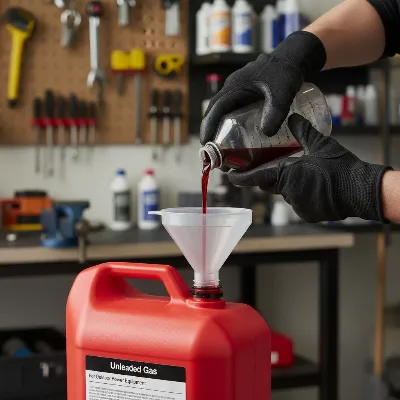 A person carefully measuring two-stroke oil into a gallon of unleaded gasoline for a leaf blower.
Determining the Correct Fuel-to-Oil Ratio
The fuel-to-oil ratio is paramount. It specifies how many parts of gasoline are mixed with one part of 2-stroke oil. Getting this ratio right is the single most important step in protecting your engine.
Consulting Your Owner’s Manual
The absolute first step before mixing any fuel is to consult your leaf blower’s owner’s manual. The manufacturer’s recommended fuel-to-oil ratio is precisely engineered for your specific engine model and should always be followed. This information is typically found in the maintenance or fuel section of the manual. Disregarding this can void your warranty and lead to premature engine failure.
Common Ratios and Their Measurements
While the owner’s manual is the definitive source, common ratios for modern 2-stroke leaf blowers are typically 50:1 or 40:1. Older models or specific brands might require different ratios, such as 32:1 or even 20:1.
Here’s a breakdown of common ratios and their approximate oil quantities for a gallon of gasoline (128 fluid ounces):
| Ratio (Gas:Oil) | Oil per Gallon of Gas (US Fluid Ounces) | Oil per Liter of Gas (Milliliters) |
|---|---|---|
| 50:1 | 2.6 fl oz | 20 ml |
| 40:1 | 3.2 fl oz | 25 ml |
| 32:1 | 4.0 fl oz | 31.25 ml |
| 25:1 | 5.1 fl oz | 40 ml |
| 20:1 | 6.4 fl oz | 50 ml |
Note: These are approximate values. Always use precise measuring tools.
Calculating for Different Volumes
If you’re mixing a quantity of fuel other than a full gallon, you’ll need to calculate the exact amount of oil. The general formula is:
Gasoline Volume / Ratio = Oil Volume
For example, if your ratio is 50:1 and you have 64 fluid ounces of gasoline:
64 fl oz (gas) / 50 = 1.28 fl oz (oil)
Always ensure your units are consistent (e.g., fluid ounces for both gas and oil) for accurate measurement. Many 2-stroke oil bottles also come with integrated measuring devices or clear markings to help with common ratios and volumes.
Step-by-Step Guide to Mixing 2-Stroke Fuel (DIY)
Mixing 2-stroke fuel is a straightforward process, but precision and safety are key. Follow these steps for a perfect blend every time.
Gathering Your Supplies
Before you begin, ensure you have all the necessary items:
- Fresh, unleaded gasoline: As discussed, preferably ethanol-free.
- Appropriate 2-stroke engine oil: Specifically for air-cooled engines.
- Clean, approved fuel mixing container: This should be a red, plastic, or metal gas can specifically designed for fuel storage. Do not use old milk jugs or other inappropriate containers.
- Accurate measuring cup or syringe: For precise oil measurement. Many 2-stroke oil bottles include these.
- Funnel: To avoid spills when pouring.
- Safety gear: Including safety glasses and fuel-resistant gloves.
The Mixing Process
- Start with the Oil: Pour the precisely measured amount of 2-stroke oil into your clean fuel mixing container first. This allows the oil to disperse more easily when the gasoline is added.
- Add Half the Gasoline: Pour approximately half the total amount of gasoline you intend to mix into the container with the oil.
- Mix Gently: Secure the cap tightly on the container. Gently swirl or shake the container for about 30 seconds to thoroughly mix the oil and gasoline. Avoid vigorous shaking that could create excessive foam.
- Add Remaining Gasoline: Open the container and add the rest of the gasoline.
- Final Mix: Re-cap the container and gently swirl or shake it again for another 30 seconds to ensure a complete and uniform mixture. The fuel should have a consistent color throughout.
 A person pouring gasoline into a red fuel can that already contains 2-stroke oil, ready for mixing.
Safety Precautions During Mixing
Handling gasoline requires utmost caution. Always prioritize safety:
- Work in a Well-Ventilated Area: Never mix fuel indoors or in enclosed spaces. Outdoor areas away from living spaces are ideal.
- Avoid Open Flames and Sparks: This includes cigarettes, lighters, pilot lights, and any electrical sources that could create a spark.
- Wear Personal Protective Equipment (PPE): Safety glasses protect your eyes from splashes, and fuel-resistant gloves prevent skin contact.
- Ground Yourself: If transferring fuel from a larger container, ensure proper grounding to prevent static electricity discharge.
- Clean Up Spills Immediately: Use absorbent materials and dispose of them properly.
Storing and Handling Your 2-Stroke Fuel Mix
Proper storage and handling are crucial for maintaining the quality of your fuel mix and ensuring safe operation of your leaf blower. A poorly stored fuel mix can degrade quickly, leading to starting issues and engine damage.
Storage Best Practices
- Use Approved Containers: Always store your mixed fuel in a clean, red, approved fuel container designed for gasoline. These containers are built to resist corrosion and safely vent pressure.
- Label Clearly: Label the container with the date of mixing and the specific fuel-to-oil ratio (e.g., “50:1 Mix – March 1, 2026”). This prevents confusion with straight gasoline or older mixes.
- Store in a Cool, Dry Place: Keep fuel containers away from direct sunlight, heat sources, and out of reach of children and pets. A detached shed or garage is ideal.
- Shelf Life: Mixed 2-stroke fuel typically has a limited shelf life, often around 30 days. After this period, the gasoline can begin to degrade, and the oil may separate, leading to poor engine performance or damage.
- Consider Fuel Stabilizers: For longer storage, especially if you won’t use the entire batch within a month, add a high-quality fuel stabilizer to the gasoline before mixing with oil. This can extend the shelf life up to 12 months.
Avoiding Common Mistakes
- Not Labeling Containers: This is a common and dangerous mistake. Using the wrong fuel (e.g., straight gas in a 2-stroke engine) can instantly destroy your equipment.
- Leaving Fuel in Equipment: Do not leave premixed fuel in your leaf blower’s tank for extended periods (more than 30 days, or even less if storing for the season). Fuel can go stale, and components can be damaged. It’s best to drain the tank and run the engine dry before long-term storage.
- Using Old Fuel: Stale fuel can cause hard starting, rough running, and eventually clog the carburetor or fuel system. Always use fresh fuel for your mix.
- Over-mixing Batches: Only mix the amount of fuel you anticipate using within a month. Large batches stored for too long will degrade.
Why the Right Mix Matters: Consequences of Error
The precise balance of gasoline and oil is not merely a recommendation; it’s a fundamental requirement for 2-stroke engine health. Deviating from the manufacturer’s specified ratio can lead to a range of severe problems, impacting performance, durability, and ultimately, the life of your leaf blower.
Effects of Too Much Oil
While it might seem counterintuitive, adding too much oil can be just as detrimental as too little. An overly rich oil mixture leads to:
- Excessive Smoke: Your leaf blower will emit thick, blue smoke from the exhaust, indicating unburnt oil.
- Carbon Buildup: Unburnt oil forms carbon deposits on critical engine components, including the spark plug, piston crown, and exhaust port. This buildup can reduce compression, foul the spark plug (leading to misfires or no start), and restrict exhaust flow.
- Poor Performance: The engine may struggle to start, run sluggishly, lose power, and experience irregular idling.
- Oil Residue: Oily residue may accumulate around the exhaust port and muffler.
Effects of Too Little Oil
This is arguably the more catastrophic mistake, as it directly impacts engine lubrication. A lean oil mixture (too little oil) results in:
- Insufficient Lubrication: The engine’s moving parts do not receive adequate lubrication, leading to increased friction.
- Overheating: Without proper lubrication to dissipate heat, internal engine temperatures rise rapidly.
- Engine Seizure: The most severe consequence. Excessive heat and friction cause metal components (like the piston and cylinder wall) to expand and bind together, seizing the engine. This usually means a complete engine rebuild or replacement.
- Scoring and Wear: Before a full seizure, parts like the piston and cylinder will show signs of scoring (deep scratches) and accelerated wear, significantly shortening the engine’s lifespan.
- Loud Noises: A common sign of an incorrectly mixed fuel is a “horrendous noise” just before the engine shuts down due to damage.
Conclusion
Mixing the correct fuel for your 2-stroke leaf blower is not just a chore; it’s a fundamental aspect of proper equipment maintenance and a testament to your understanding of its engineering. By meticulously selecting fresh, high-quality gasoline and the appropriate 2-stroke oil, then precisely adhering to your manufacturer’s recommended ratio, you ensure optimal lubrication and combustion. Remember to always work in a well-ventilated area, wear safety gear, and store your mixed fuel properly, labeling it clearly and using it within its recommended shelf life. Ignoring these steps can lead to anything from annoying performance issues like excessive smoke to catastrophic engine failure.
Taking the time to master this DIY process will save you money on repairs, extend the life of your valuable tool, and guarantee that your leaf blower is ready to tackle any autumn cleanup with power and efficiency. What steps will you take today to ensure your fuel mix is perfect for your leaf blower?
Frequently Asked Questions
What is the most common fuel-to-oil ratio for 2-stroke leaf blowers?
The most common fuel-to-oil ratios for modern 2-stroke leaf blowers are typically 50:1 or 40:1. However, it is crucial to always check your specific Leaf Blower’s owner’s manual, as ratios can vary by manufacturer and model to ensure optimal performance and prevent engine damage.
Can I use regular car oil in my 2-stroke leaf blower?
No, absolutely not. You must use 2-stroke engine oil specifically designed for air-cooled small engines. Regular car oil (4-stroke oil) is formulated differently and will not lubricate a 2-stroke engine properly, leading to carbon buildup, overheating, and severe engine damage.
What kind of gasoline should I use for mixing 2-stroke fuel?
Always use fresh, unleaded gasoline with an octane rating of 89 or higher. For best results and to minimize potential engine damage, it is highly recommended to use ethanol-free gasoline. Ethanol can attract water and degrade fuel system components over time.
How do I know if I’ve mixed the fuel-to-oil ratio incorrectly?
Signs of an incorrect mix include excessive blue smoke from the exhaust (too much oil), lack of power, hard starting, or a “horrendous noise” before the engine seizes (too little oil). Always double-check your measurements and refer to your manual.
How long can I store mixed 2-stroke fuel?
Mixed 2-stroke fuel should ideally be used within 30 days for optimal performance and engine protection. Over time, gasoline degrades, and oil can separate, leading to issues. For longer storage, consider adding a fuel stabilizer to the gasoline before mixing.
What happens if I put straight gasoline into a 2-stroke leaf blower?
Putting straight gasoline into a 2-stroke engine will result in immediate and catastrophic engine failure. Without the oil in the fuel mix, the engine’s internal components will not be lubricated, leading to extreme friction, overheating, and the piston seizing in the cylinder, rendering the engine irreparable.