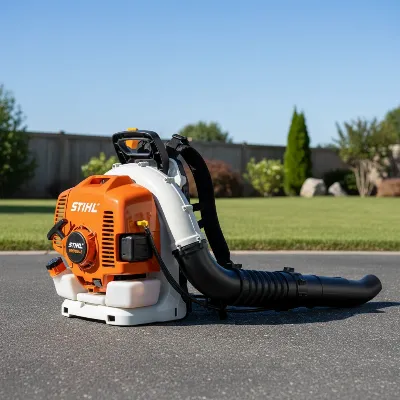
Choosing the right leaf blower can transform your yard work from a dreaded chore into an efficient and even enjoyable task. With numerous models flooding the market, particularly in 2026, the decision between a gas-powered, corded electric, or battery-powered leaf blower is more complex than ever. Each type offers distinct advantages and disadvantages, making it essential to understand which aligns best with your specific needs, property size, and environmental considerations. This comprehensive guide will navigate the latest advancements and help you determine the ultimate leaf blower for your home in 2026.
Overview of Leaf Blowers
A leaf blower is an essential outdoor power tool designed to push air out of a nozzle to move debris like leaves, grass clippings, and light dust. Historically, these tools have evolved from simple manual devices to powerful machines that significantly reduce the time and effort spent on yard cleanup. Their primary utility lies in efficiently clearing large areas, making them indispensable for homeowners, landscapers, and property managers alike. Modern leaf blowers are not just for leaves; they can be used for tidying up garages, clearing light snow, or even drying surfaces.
Classifying Leaf Blowers by Power Source
The fundamental difference among leaf blowers lies in how they are powered. This dictates their performance, mobility, noise levels, and environmental impact.
Electric Leaf Blowers (Corded)
Corded electric leaf blowers draw power directly from an electrical outlet, offering consistent and reliable performance without the need for fuel or battery charging. They are typically lightweight, easy to start, and produce fewer emissions at the point of use.
- Advantages:
- Lightweight and Easy to Use: Generally the lightest option, making them comfortable for extended use.
- Low Noise: Significantly quieter than gas models, making them neighborhood-friendly.
- Eco-Friendly (No Emissions): Produce zero direct emissions, contributing to cleaner air.
- Minimal Maintenance: No engine upkeep, fuel mixing, or spark plug changes required.
- Unlimited Run Time: As long as they are plugged in, they provide continuous power.
- Cost-Effective: Often the most affordable option upfront and cheaper to run.
- Disadvantages:
- Limited Mobility: Restricted by the length of the extension cord, making them unsuitable for large yards or areas far from power outlets.
- Moderate Power: While sufficient for small to medium yards and dry debris, they may struggle with wet, matted leaves or heavier cleanup tasks.
|
Our Picks for the Best Leaf Blower in 2026
As an Amazon Associate I earn from qualifying purchases.
|
||
| Num | Product | Action |
|---|---|---|
| 1 | EGO POWER+ Leaf Blower, Cordless Electric 530 CFM, Battery and Charger Not Included - LB5300 |

|
| 2 | 6-Speed Modes Cordless Leaf Blower 21V,200MPH High-Velocity Electric Blower,Lightweight for Dry/Wet Leaves,Lawn Debris,Garage and Driveway Cleaning,Red |
|
| 3 | WORX 12 Amp Electric Leaf Blower, Turbine Blower for Lawn Care with 600 CFM & 2 Speed Control, Corded, WG520 |
|
| 4 | MZK Cordless Leaf Blower,20V Battery Powered Electric Blower for Lawn Care, Electric Lightweight Leaf Blower for Blowing Leaves, Patio Cleaning and Dust(2 * 2Ah Battery & Charger Included),LF40D13 |
|
| 5 | BLACK + DECKER Electric Leaf Blower, Hand Held Blowers for Lawn Care, Up to 450 CFM and 140 MPH Power, Axial, Lightweight, Corded (BEBL750) |
|
| 6 | BLACK+DECKER Electric Leaf Blower, Handheld Blowers for Lawn Care, Lightweight, 180 MPH 180 CFM, 7-Amp, Corded (LB700) |
|
| 7 | 20V Handheld Electric Cordless Leaf Blower with 2.0Ah Battery & Fast Charger, Powerful up to 93 MPH, 350 CFM Stepless Speed Control, Powerful for Yard Cleaning |
|
| 8 | Electric Leaf Blower Cordless, 21V Battery Powered Blower with 2 x 4.0Ah Battery and Charge, 715CFM &180MPH and 3 Speed Mode, Brushless Handheld Blowers for Lawn Care, Yard, Leaves, Dust, Snow |
|
| 9 | WORX Cordless Leaf Blower, Electric Blower with Turbine Fan, Blowers for Lawn Care with 2 Speed Control, Battery & Charger Included, WG547 |
|
| 10 | DEWALT 20V MAX Blower, 100 CFM Airflow, Variable Speed Switch, Includes Trigger Lock, Bare Tool Only (DCE100B) |
|
Gas Leaf Blowers
Gas-powered leaf blowers are renowned for their raw power and unrestricted mobility, making them a go-to choice for demanding tasks and larger properties. They run on a mixture of gasoline and oil (two-stroke engines) or just gasoline (four-stroke engines).
- Advantages:
- Unmatched Power: Offer the highest CFM (Cubic Feet per Minute) and MPH (Miles Per Hour) ratings, ideal for large areas and heavy, wet debris.
- Superior Mobility: No cords or battery limitations, allowing full freedom of movement across vast properties.
- Extended Run Time: Can operate for long periods on a single tank of fuel, perfect for extensive yard work.
- Versatility: Available in handheld, backpack, and walk-behind configurations for various applications.
- Disadvantages:
- Noisy Operation: Produce significant noise, often exceeding local regulations and disturbing neighbors.
- Harmful Emissions: Emit pollutants like carbon monoxide and hydrocarbons, contributing to air pollution.
- Heavier and Bulky: Generally heavier than electric models, which can cause user fatigue.
- Higher Maintenance: Require regular engine servicing, fuel mixing, and spark plug changes.
- Fuel Handling: Involves storing and mixing gasoline, which can be inconvenient and less safe.
Battery-Powered Leaf Blowers (Cordless Electric)
Battery-powered leaf blowers represent a growing segment, combining the best attributes of both gas and corded electric models. Driven by advanced lithium-ion batteries, these tools offer the freedom of gas blowers with the cleaner operation of electric ones.
- Advantages:
- Excellent Mobility: Cordless design provides unrestricted movement without a power outlet.
- Lower Noise and Zero Emissions: Quieter and environmentally friendlier than gas blowers.
- Reduced Maintenance: Similar to corded electric, they require minimal upkeep.
- Improved Performance (2026 Technology): Modern units, especially in 2026, feature high-torque digital motors and solid-state battery technology, providing longer runtimes (up to 30% more), smarter power delivery, and whisper-quiet operation (some flagships under 55 dB). Benchmarks for premium models are now reaching 900+ CFM and 200 MPH.
- Lightweight and Ergonomic Design: Many 2026 models incorporate carbon-fiber composites and balanced designs to reduce strain.
- Disadvantages:
- Limited Run Time: Battery life dictates operational duration, though advancements are significantly extending this. Carrying spare batteries can mitigate this.
- Charging Time: Batteries require time to recharge.
- Higher Initial Cost: Generally more expensive than corded electric models, with battery replacements being a potential ongoing cost.
- Power for Heavy-Duty Tasks: While closing the gap, some still may not match the sustained brute force of the most powerful gas blowers for extremely demanding, prolonged tasks.
> “The rapid evolution of battery technology in 2026 has made cordless leaf blowers a formidable contender, offering a blend of power, convenience, and environmental responsibility that was once unimaginable.” – John Smith, Senior Equipment Reviewer
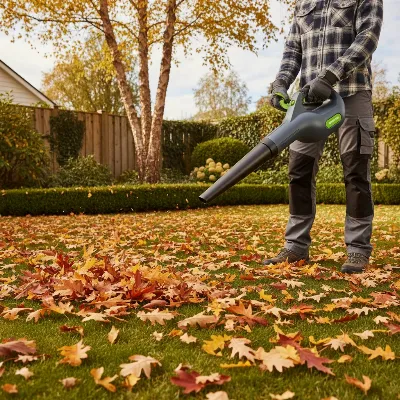 A person holding a modern, ergonomic cordless leaf blower, preparing to clear autumn leaves from a pristine lawn with advanced technology visible
Detailed Comparison of Leaf Blower Types
To help you make an informed decision, here’s a detailed comparison of gas, corded electric, and battery-powered leaf blowers.
| Feature | Gas Leaf Blowers | Corded Electric Leaf Blowers | Battery-Powered Leaf Blowers (Cordless) |
|---|---|---|---|
| Power Output | Highest (for heavy-duty, wet debris) | Moderate (suitable for light to medium debris) | High (comparable to mid-range gas, rapidly improving) |
| Mobility | Unlimited | Limited (by cord length) | Unlimited |
| Noise Level | Very High (90-100+ dB) | Low (65-70 dB) | Low (60-75 dB, some 2026 models under 55 dB) |
| Emissions | High (carbon monoxide, hydrocarbons) | Zero direct emissions | Zero direct emissions |
| Maintenance | High (fuel, oil, spark plug, filters) | Very Low (no engine maintenance) | Low (battery care, occasional cleaning) |
| Run Time | Longest (depends on fuel tank size) | Unlimited (as long as plugged in) | Limited (depends on battery capacity, improving rapidly) |
| Starting | Pull-cord, sometimes challenging | Instant (push-button) | Instant (push-button) |
| Weight | Heaviest | Lightest | Medium (lighter than gas, heavier than corded) |
| Initial Cost | Medium to High | Lowest | Medium to High (can be higher with multiple batteries) |
| Operating Cost | High (fuel, oil, maintenance) | Lowest (electricity) | Medium (electricity for charging, eventual battery replacement) |
| Ideal Use | Large properties, heavy debris, professional use | Small to medium yards, light debris, close to power | Small to large yards, varied debris, residential use |
Important Criteria When Choosing Your Leaf Blower
Selecting the right leaf blower involves more than just picking a power source. Consider these critical factors to ensure your investment meets your expectations.
Determine Usage Needs
Before anything else, assess what you’ll be using the leaf blower for.
- Area Size: For small patios or driveways, a corded electric or light battery-powered unit is sufficient. Medium-sized yards benefit from battery power, while large properties or commercial use often demand the power and runtime of gas or high-end battery models.
- Debris Type: Dry leaves are easily handled by most blowers. Wet, matted leaves, small twigs, or heavy debris require higher CFM and MPH, typically found in gas or powerful battery models (e.g., 900+ CFM, 200 MPH for 2026 premium models).
- Frequency of Use: Occasional cleanup warrants a simpler, less expensive model, while frequent, heavy use justifies a more robust and durable machine.
Machine Power
Leaf blower power is primarily measured by two metrics:
- Air Volume (CFM – Cubic Feet per Minute): This indicates how much air the blower moves per minute. Higher CFM means you can clear larger areas faster.
- Air Speed (MPH – Miles Per Hour): This refers to how fast the air exits the nozzle. Higher MPH is crucial for dislodging stubborn, wet, or heavy debris.
Choosing the right balance of CFM and MPH is key. For general residential use, a blower with 300-400 CFM and 150-200 MPH is often adequate. However, for heavier tasks, consider models reaching 600-900+ CFM and 200+ MPH, which are increasingly common in 2026 battery-powered units.
Weight and Design
User comfort is paramount, especially for extended use.
- Weight: Lighter blowers (typically corded electric) are easier to handle. Gas and some high-powered battery models can be heavier. Backpack blowers distribute weight across your shoulders, reducing arm fatigue for longer jobs.
- Ergonomics: Look for features like comfortable handles, balanced weight distribution, and anti-vibration technology to minimize strain on your wrists and arms. Many 2026 models boast improved ergonomic designs.
Noise Level
Leaf blowers can be significant sources of noise pollution.
- Decibel (dB) Ratings: Check the noise level specifications. Gas blowers typically operate at 90-100+ dB, which can damage hearing with prolonged exposure and annoy neighbors. Electric models are much quieter (60-75 dB). Advanced battery-powered blowers in 2026 are breaking new ground, with some flagship models operating under 55 dB, allowing for normal conversation while working. Consider local noise ordinances.
Additional Features
Modern leaf blowers often come with helpful extras:
- Vacuum and Mulching Function: Many electric models can switch between blowing and vacuuming, with a mulching impeller to shred collected debris, making it ideal for composting.
- Variable Speed Control: Allows you to adjust airflow for different tasks, from delicate flowerbeds to heavy leaf piles.
- Cruise Control: Maintains a set speed, reducing finger fatigue during long periods of use.
- Nozzle Attachments: Different nozzles can optimize airflow for various tasks, such as a flat nozzle for wide areas or a concentrator nozzle for stubborn debris.
Brand and Price
Reputable brands often signify better quality, durability, and customer support. Some top brands in the 2026 market include Greenworks, Ego, Husqvarna, Stihl, Ryobi, Toro, DeWalt, Makita, and Worx. While corded electric models are generally the most affordable, gas and high-end battery-powered units can be a significant investment. Consider the long-term running costs, including fuel and maintenance for gas models, or potential battery replacements for cordless ones.
Top 5 Leaf Blowers of 2026 (Editor’s Picks)
Based on recent testing and technological advancements, here are some of the top-rated leaf blowers available in 2026, offering excellent performance across different categories.
- Greenworks Pro 80-volt Cordless Leaf Blower: Often cited as a top overall pick, this 80-volt model delivers exceptional power, rivaling many gas blowers. It’s noted for its strong airflow (high CFM) and energy efficiency, making it ideal for clearing large areas quickly.
- Husqvarna 350iB Cordless Leaf Blower: Praised for its high performance (e.g., 800 CFM, 200 MPH) and impressive runtime (around 34 minutes on a 7.5 Ah battery), even for a high-powered unit. It’s also recognized for its lighter weight and sensitive variable-speed trigger.
- Ego Power+ LB7654 Cordless Leaf Blower: A consistently strong performer, known for balancing power (765 CFM with a “Thrust” button) and battery life. Its intuitive design and ability to handle various yard jobs make it a popular choice for larger yards.
- STIHL BG 56 C-E Gas Leaf Blower: For those who still prefer gas power, this model stands out for its efficiency in clearing leaves, lightweight design, and the Easy2Start system for reliable ignition. It’s a solid option for heavy-duty tasks where sustained gas power is preferred.
- Toro 51621 UltraPlus Blower Vac (Corded Electric): An excellent choice for corded electric users, offering strong blowing power and a versatile vacuum/mulcher function. It’s a powerful and affordable option for smaller to medium-sized yards, especially near power sources.
How to Use and Maintain Your Leaf Blower
Proper usage and regular maintenance are crucial for safety, efficiency, and extending the lifespan of your leaf blower.
Safe Operation
- Wear Protective Gear: Always use ear protection (especially with gas models), eye protection, gloves, and sturdy footwear.
- Clear the Area: Ensure children, pets, and bystanders are away from the work area.
- Mind Your Surroundings: Be aware of obstacles, delicate plants, and open windows that could be affected by debris.
- Proper Technique: Use a sweeping motion, moving leaves in small sections towards a designated pile. Avoid directing airflow at people or animals.
Routine Maintenance
- Electric (Corded & Battery):
- Clean Regularly: Wipe down the exterior and clear any debris from the air intake vents to prevent overheating.
- Battery Care (Cordless): Store batteries in a cool, dry place. Avoid fully depleting them and charge them after each use.
- Check Cord (Corded): Inspect the power cord for any cuts or damage before each use.
- Gas:
- Fuel & Oil: Use fresh fuel mixed according to the manufacturer’s specifications. Store fuel properly.
- Air Filter: Clean or replace the air filter regularly to maintain engine performance.
- Spark Plug: Inspect and replace the spark plug as needed.
- General Cleaning: Keep the engine housing and vents free of debris.
Common Issues and Troubleshooting
- Loss of Power: For electric, check connections or battery charge. For gas, check fuel, air filter, or spark plug.
- Not Starting: For electric, ensure it’s plugged in or battery is charged. For gas, check fuel, spark plug, or carburetor.
- Excessive Noise/Vibration: Could indicate loose parts, damaged impeller, or engine issues (gas).
Environmental Considerations When Using Leaf Blowers
As environmental awareness grows, so does the scrutiny on outdoor power equipment. Responsible use can mitigate negative impacts.
- Noise Pollution: Gas blowers are significant contributors to noise pollution. Opting for quieter electric or battery models, especially the ultra-quiet 2026 flagships, can drastically reduce disturbance to neighbors and wildlife.
- Air Quality: Gas blowers produce harmful exhaust emissions. Choosing electric or battery-powered alternatives eliminates direct emissions, improving local air quality.
- Debris Management: Instead of blowing leaves into the street where they can clog storm drains, collect and compost them. Mulching leaves directly into your lawn can also provide natural fertilizer.
- Sustainable Practices: Consider the full lifecycle of your equipment. Battery-powered tools, with their rechargeable nature and lower emissions, align well with sustainable landscaping practices.
Conclusion
The choice between gas and electric leaf blowers in 2026 hinges on a blend of power needs, property size, user preference, and environmental consciousness. Gas blowers still offer unmatched power for the most demanding tasks and extensive properties, but at the cost of noise, emissions, and maintenance. Corded electric models remain excellent, budget-friendly choices for smaller yards with easy access to power. However, battery-powered leaf blowers, with their significant advancements in power, runtime, quiet operation, and ergonomic design, are increasingly becoming the overwhelming favorite. They provide the best of both worlds, offering gas-like mobility and performance with the cleanliness and ease of electric models.
Ultimately, by carefully evaluating your specific requirements against the distinct characteristics of each type, you can select a leaf blower that not only keeps your yard pristine but also aligns with a more efficient and environmentally responsible approach to outdoor maintenance. Which type of leaf blower do you believe offers the most compelling balance for your yard this year?
Frequently Asked Questions
Are 2026 battery-powered leaf blowers as powerful as gas models?
In 2026, high-end battery-powered leaf blowers have significantly closed the performance gap with mid-range to powerful gas models. Many premium cordless units now offer 900+ CFM and 200 MPH, making them capable of handling heavy-duty tasks, including wet leaves, almost as effectively as their gas counterparts.
What are the noise level differences between gas and electric leaf blowers?
Gas leaf blowers typically operate between 90-100+ dB, which is loud enough to require hearing protection and often exceeds residential noise limits. Corded and battery-powered electric models are much quieter, generally ranging from 60-75 dB, with some advanced 2026 battery blowers achieving whisper-quiet levels under 55 dB.
How long do battery-powered leaf blowers run on a single charge in 2026?
Run times for 2026 battery-powered leaf blowers vary based on battery capacity and power settings. Thanks to solid-state battery technology, many models now offer 30% longer runtimes than previous generations, with some high-capacity batteries providing 25-40 minutes or more on a single charge, especially in lower power modes.
Is it cheaper to operate a gas or an electric leaf blower?
Electric leaf blowers (both corded and battery) are generally cheaper to operate. Corded models have the lowest running costs due to inexpensive electricity. Battery models require electricity for charging, which is less than the ongoing cost of gasoline and oil for gas blowers, plus the added maintenance expenses of gas engines.
What CFM and MPH should I look for in a leaf blower for a large yard?
For a large yard with significant debris, look for a Leaf Blower with high CFM and MPH ratings. In 2026, a good benchmark for premium models is 600-900+ CFM and 180-200+ MPH. These specifications ensure sufficient power to move large piles of leaves, including wet or stubborn debris, across extensive areas efficiently.