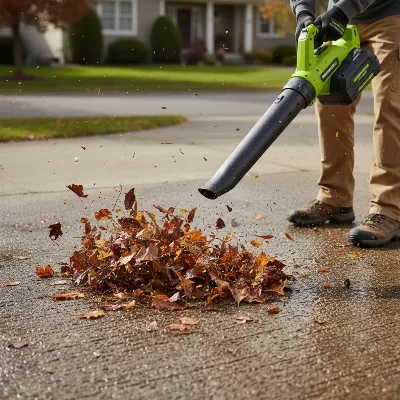
Welcome to the world of gas-powered leaf blowers, where raw power meets yard cleanup efficiency. As an Admin with over a decade of hands-on experience at reviewtutam.com, I understand the incredible value these machines bring to keeping your property pristine. A new gas leaf blower is a significant investment, promising to clear vast expanses of leaves and debris with unmatched speed and strength. However, like any high-performance engine, its continued reliability and optimal performance hinge entirely on a consistent maintenance regimen. Neglecting these crucial steps can quickly turn your powerful ally into a frustrating, underperforming tool, leading to costly repairs and premature wear. This comprehensive guide will equip you with the essential knowledge and practical tips to ensure your new gas leaf blower remains a dependable workhorse for years to come.
The Foundation of a Reliable Gas Leaf Blower
A gas leaf blower is essentially a small, powerful engine designed to generate a high volume of air at significant velocity, making short work of fallen leaves, grass clippings, and light debris. Unlike electric or battery-powered models, gas blowers offer superior mobility and sustained power, making them the preferred choice for larger properties or commercial use where freedom from power cords and extended run times are critical.
However, this increased power and mobility come with the added responsibility of maintaining a small internal combustion engine. These engines require meticulous care for their fuel system, ignition, and cooling components to function flawlessly. Proper upkeep not only maximizes performance but also significantly extends the lifespan of your equipment, safeguarding your investment against the rigors of demanding outdoor tasks. Understanding these fundamental maintenance aspects is the first step toward becoming a true expert in caring for your machine.
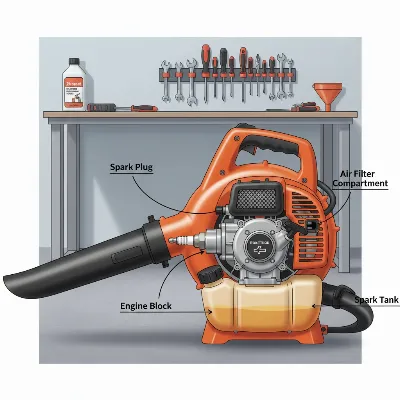 An illustrative overview of a gas leaf blower with maintenance points highlighted in English, showcasing the engine, fuel tank, and air filter for a comprehensive maintenance guide, realistic style
Fuel System Fundamentals: Keeping Your Engine Healthy
The heart of any gas leaf blower is its engine, and the lifeblood of that engine is its fuel system. Maintaining this system is paramount, as poor fuel quality or clogged components can lead to frustrating starting issues, reduced power, and even severe engine damage.
Fuel Quality is Key
|
Our Picks for the Best Leaf Blower in 2026
As an Amazon Associate I earn from qualifying purchases.
|
||
| Num | Product | Action |
|---|---|---|
| 1 | BLACK+DECKER Electric Leaf Blower, Handheld Blowers for Lawn Care, Lightweight, 180 MPH 180 CFM, 7-Amp, Corded (LB700) |

|
| 2 | EGO POWER+ Leaf Blower, Cordless Electric 530 CFM, Battery and Charger Not Included - LB5300 |
|
| 3 | Electric Leaf Blower Cordless, 21V Battery Powered Blower with 2 x 4.0Ah Battery and Charge, 715CFM &180MPH and 3 Speed Mode, Brushless Handheld Blowers for Lawn Care, Yard, Leaves, Dust, Snow |
|
| 4 | WORX 12 Amp Electric Leaf Blower, Turbine Blower for Lawn Care with 600 CFM & 2 Speed Control, Corded, WG520 |
|
| 5 | MZK Cordless Leaf Blower,20V Battery Powered Electric Blower for Lawn Care, Electric Lightweight Leaf Blower for Blowing Leaves, Patio Cleaning and Dust(2 * 2Ah Battery & Charger Included),LF40D13 |
|
| 6 | 6-Speed Modes Cordless Leaf Blower 21V,200MPH High-Velocity Electric Blower,Lightweight for Dry/Wet Leaves,Lawn Debris,Garage and Driveway Cleaning,Red |
|
| 7 | 20V Handheld Electric Cordless Leaf Blower with 2.0Ah Battery & Fast Charger, Powerful up to 93 MPH, 350 CFM Stepless Speed Control, Powerful for Yard Cleaning |
|
| 8 | WORX Cordless Leaf Blower, Electric Blower with Turbine Fan, Blowers for Lawn Care with 2 Speed Control, Battery & Charger Included, WG547 |
|
| 9 | BLACK + DECKER Electric Leaf Blower, Hand Held Blowers for Lawn Care, Up to 450 CFM and 140 MPH Power, Axial, Lightweight, Corded (BEBL750) |
|
| 10 | DEWALT 20V MAX Blower, 100 CFM Airflow, Variable Speed Switch, Includes Trigger Lock, Bare Tool Only (DCE100B) |
|
Always use fresh, high-quality gasoline with the correct octane rating, typically regular unleaded, as specified in your owner’s manual. It’s crucial to avoid gasoline containing high percentages of ethanol, which can attract moisture and lead to corrosion and deposits within the fuel system over time. If ethanol-free gasoline isn’t readily available, consider using a high-quality fuel stabilizer with every fill-up. This additive helps prevent fuel degradation and keeps the carburetor and fuel lines clean, especially during periods of infrequent use or storage.
Fuel Filter Inspection and Replacement
The fuel filter acts as your engine’s first line of defense, preventing dirt, rust, and other contaminants from reaching the carburetor. Over time, this filter can become clogged, restricting fuel flow and causing your blower to run poorly or not start at all. You should inspect the fuel filter monthly or after every 25 hours of operation. If it appears discolored, clogged with debris, or shows signs of wear, replace it with a new one according to your manufacturer’s recommendations. This simple replacement can prevent more significant fuel system issues down the line.
Fuel Line Checks
Regularly examine the fuel lines for any signs of cracking, fraying, or hardening. These lines can degrade over time due to exposure to fuel and engine heat, leading to leaks or air entering the system. A leaking fuel line is not only a fire hazard but also causes the engine to starve for fuel. If you notice any damage, replace the fuel lines immediately. Ensure all connections are secure and free of leaks.
Carburetor Care
The carburetor mixes air and fuel in the correct proportions for combustion. It’s often the culprit behind a gas leaf blower that won’t start or runs rough. The most common cause of carburetor issues is stale or improperly treated fuel leaving sticky varnish deposits, which can clog the tiny jets and passages.
For routine maintenance, keep the exterior of the carburetor clean, wiping away any dirt or debris that could potentially enter the system. If your blower is experiencing performance issues like stalling, difficulty starting, or inconsistent idling, a more detailed carburetor cleaning might be necessary. This often involves carefully disassembling the carburetor, spraying specialized carburetor cleaner into all ports and jets, using a small brush or thin wire to clear stubborn clogs, and then blowing compressed air through the passages to ensure they are completely clear. While some DIY enthusiasts may tackle this, it’s a delicate job. If you’re unsure, consulting a professional technician is advisable, as improper cleaning or reassembly can worsen the problem.
Engine Components: Spark, Air, and Oil
Beyond the fuel system, several other engine components are vital for your gas leaf blower’s smooth operation and longevity. Regular attention to these parts will ensure your engine runs efficiently, starts reliably, and maintains its powerful output.
Air Filter Maintenance
The air filter is crucial for preventing dirt, dust, and debris from entering the engine’s combustion chamber, where they can cause abrasive wear. A clogged air filter restricts airflow, leading to a “rich” fuel mixture, reduced power, increased fuel consumption, and potentially overheating.
For gas-powered leaf blowers, inspect the air filter every 10 hours of operation or more frequently if working in very dusty conditions. Foam filters can often be cleaned with warm, soapy water, rinsed thoroughly, and allowed to dry completely before reinstallation. Paper filters, however, should generally be replaced when they appear dirty or clogged. Always refer to your owner’s manual for specific cleaning or replacement instructions for your model.
Spark Plug Inspection and Replacement
The spark plug provides the critical spark that ignites the air-fuel mixture in the engine. A fouled, worn, or incorrectly gapped spark plug can cause hard starting, misfires, reduced power, and poor fuel efficiency.
Inspect your spark plug every 25-30 hours of use or at the beginning of each season. Carefully remove the spark plug and examine its electrode for carbon buildup or signs of wear. Use a wire brush to gently clean off any deposits. Check the gap between the electrodes using a spark plug gauge, adjusting it if necessary to match your manufacturer’s specifications. If the porcelain insulator is cracked, the electrodes are severely worn, or you cannot clean it effectively, replace the spark plug with a new one of the correct type. A fresh spark plug can dramatically improve engine performance and starting reliability.
Oil Changes for 4-Cycle Engines
If your gas leaf blower has a 4-cycle engine (common in more powerful or backpack models), it requires separate engine oil, much like a car. This oil lubricates moving parts, reduces friction, and dissipates heat. Dirty or low oil levels can lead to catastrophic engine failure.
Check the oil level before each use, ensuring it’s within the recommended range on the dipstick. Oil changes are typically recommended every 20-50 hours of operation or at least once per season. Always use the type and viscosity of engine oil specified in your owner’s manual. To change the oil, allow the engine to cool, then drain the old, warm oil into an approved container. Refill with new oil, being careful not to overfill. Proper oil maintenance is one of the most vital steps in preserving your engine’s health.
Cooling System and Vents
The engine in your gas leaf blower generates a significant amount of heat, and a robust cooling system is essential to prevent overheating and potential damage. This system typically involves cooling fins around the engine and air vents that draw in cool air.
Regularly inspect the cooling fins and air vents for any accumulation of dirt, grass clippings, leaves, or other debris. Blockages in these areas can severely impede airflow, causing the engine to run hotter than intended. After each use, take a soft brush or compressed air to clear away any obstructions. A clean cooling system ensures optimal engine operating temperatures, leading to better performance and a longer engine lifespan.
Muffler and Spark Arrestor
The muffler reduces engine noise, while a spark arrestor (if present) prevents hot carbon particles from exiting the exhaust and potentially starting a fire. Regularly inspect the muffler for any damage, loose connections, or excessive carbon buildup.
If your model has a spark arrestor screen, it’s recommended to clean it after every 50 hours of operation. Carbon deposits can accumulate on this screen, restricting exhaust flow and reducing engine power. Consult your owner’s manual for instructions on how to access and clean or replace the spark arrestor screen. Ensuring proper exhaust flow is critical for engine efficiency and safe operation.
Pre-Use and Post-Use Checks: A Routine for Peak Performance
Establishing a simple routine for pre-use and post-use checks can make a significant difference in your gas leaf blower’s reliability and performance. These quick inspections help identify minor issues before they escalate into major problems.
Before Each Use
Before you fire up your gas leaf blower, take a few moments for a quick visual inspection. Check for any loose screws, nuts, or bolts and tighten them. Look for any signs of fuel leaks around the tank, fuel lines, or carburetor. Ensure the blower tubes are securely attached and free of cracks or obstructions. For 4-cycle models, verify the oil level. Confirm that the air filter is clean and properly seated. These brief checks can prevent operational mishaps and help you identify potential problems early on.
After Each Use
Once your yard work is done, don’t just put your blower away. Allow the engine to cool down, then take a clean, damp cloth and wipe down the exterior of the machine, removing dirt, dust, and sap. Pay particular attention to the air intake vents, cooling fins, and blower tubes, clearing any accumulated debris with a brush or compressed air. This prevents dirt from hardening or moisture from trapping, which can lead to corrosion or blockages over time. A clean machine is not only aesthetically pleasing but also a well-maintained one.
Long-Term Storage: Protecting Your Investment
Proper storage is paramount, especially if you won’t be using your gas leaf blower for an extended period, such as during the winter months. Incorrect storage can lead to fuel system issues, corrosion, and damage to various components.
Preparing for Off-Season
The most critical step for long-term storage is managing the fuel. Ideally, you should drain all fuel from the tank. Then, start the engine and let it run until it completely runs out of fuel and stalls. This ensures that the carburetor and fuel lines are entirely empty, preventing stale fuel from leaving harmful varnish deposits. Alternatively, if draining the tank is not practical, fill it with fresh fuel mixed with a high-quality fuel stabilizer, then run the engine for 5-10 minutes to circulate the stabilized fuel throughout the system.
For 2-cycle engines, after draining the fuel, it’s a good practice to remove the spark plug and pour a small amount (e.g., 1 teaspoon) of 2-cycle engine oil or fogging oil into the cylinder. Slowly pull the starter rope a few times to distribute the oil, which helps lubricate the cylinder walls and prevent corrosion during storage. Reinstall the spark plug (consider installing a new one at this point). Finally, give your entire blower a thorough cleaning, inspecting for any wear or damage that might need attention before its next use.
Ideal Storage Conditions
Store your gas leaf blower in a cool, dry, and well-ventilated area, away from direct sunlight, extreme temperatures, and sources of moisture. A garage, shed, or basement is usually suitable. Using a protective cover can shield the blower from dust and accidental damage. Ensure it’s stored on a flat surface to prevent any residual fuel or oil from leaking. Taking these steps for proper storage will ensure your leaf blower is ready to go when the season changes again, saving you potential headaches and repair costs.
Essential Tools for Gas Leaf Blower Maintenance
Having the right tools on hand makes maintenance tasks much easier and safer. Here’s a list of commonly needed items for your gas leaf blower:
- Screwdriver Set: Flathead and Phillips for various adjustments and cover removals.
- Wrenches/Socket Set: For spark plugs, carburetor mounting bolts, and other fasteners.
- Spark Plug Wrench/Socket: Specific size for your spark plug.
- Spark Plug Gauge: To check and adjust the spark plug gap.
- Fuel Line Clamp or Pinch-off Tool: To temporarily stop fuel flow during fuel system work.
- Small Wire Brush: For cleaning spark plugs and cooling fins.
- Carburetor Cleaner Spray: Specialized solvent for dissolving fuel deposits.
- Compressed Air Can or Compressor: For blowing out passages and vents.
- Clean Rags/Microfiber Cloths: For wiping down surfaces.
- Safety Gloves and Eye Protection: Essential for personal safety when working with fuel and chemicals.
- Used-Oil Container: For safe disposal of old engine oil (if applicable).
- Gas Can: For fresh fuel and fuel stabilizer.
- Funnel: For spill-free refueling and oil changes.
- Flashlight: To inspect hard-to-reach areas.
Expert Maintenance Tips for Gas Leaf Blowers
> “The secret to a long-lasting gas leaf blower isn’t complex repairs, but consistent, preventative care. Clean fuel, a clear air filter, and regular spark plug checks are the unsung heroes of yard maintenance.” – Admin, reviewtutam.com
Always consult your leaf blower’s owner’s manual. It contains model-specific information, maintenance schedules, and torque specifications that are crucial for proper care. Using genuine OEM (Original Equipment Manufacturer) parts for replacements like air filters, fuel filters, and spark plugs ensures compatibility and performance. Don’t force components; if something is difficult to remove or install, re-check your manual or seek professional advice. When in doubt about a repair, especially with carburetor disassembly or engine components, it’s always best to contact a qualified service technician. Their expertise can save you from inadvertently causing further damage.
Conclusion
Maintaining your gas leaf blower doesn’t have to be a daunting task. By committing to a routine of regular cleaning, meticulous fuel system care, and timely attention to engine components, you can significantly prolong the life of your equipment and ensure it performs at its peak whenever you need it. From ensuring clean fuel and air to inspecting the spark plug and preparing for seasonal storage, each step contributes to the overall health and efficiency of your machine.
Investing a little time in preventative maintenance now will save you countless headaches, frustrating breakdowns, and expensive repairs in the future. Embrace these essential tips, and your gas leaf blower will continue to be a powerful and reliable partner in keeping your yard immaculate for many seasons to come. What proactive maintenance steps will you implement first to enhance your leaf blower’s performance and longevity?
Frequently Asked Questions
How often should I change the oil in my 4-cycle gas leaf blower?
For 4-cycle gas leaf blowers, it’s recommended to change the engine oil every 20-50 hours of operation or at least once per season, whichever comes first. Always check your owner’s manual for precise intervals and the correct oil type.
What kind of fuel should I use in my gas leaf blower?
Always use fresh, high-quality regular unleaded gasoline. It is strongly advised to avoid or minimize the use of ethanol-blended fuels, as ethanol can damage fuel system components over time. If ethanol-free fuel isn’t available, use a fuel stabilizer with every fill-up.
Why is my gas leaf blower hard to start?
Hard starting is often linked to a few common issues: a clogged air filter, a fouled or old spark plug, or a dirty/clogged carburetor due to stale fuel. Checking and servicing these components is usually the first step to resolving starting problems.
How do I store my gas leaf blower for winter?
For winter storage, the most important step is to prepare the fuel system. Either completely drain the fuel tank and run the engine dry, or fill it with fresh, stabilized fuel and run the engine for several minutes. Additionally, clean the entire machine, inspect for wear, and store it in a cool, dry place with a protective cover.
Can I clean the carburetor myself?
While it’s possible for experienced DIYers, cleaning a gas Leaf Blower carburetor can be a delicate and complex task involving disassembly, specialized cleaners, and careful reassembly. If you are unsure or uncomfortable, it’s best to take your blower to a qualified service technician to avoid causing further damage.